
Autonomy’s Next Frontier Is the Physical World (Transmission #346)

Travis Kalanick, founder of Uber, wants to roboticize the physical world. Not optimize it. Not digitize parts of it.
Replace human labor across it.
After eight years building in stealth, Atoms has emerged with a mission to transform industries through robotics and AI.
The vision is immense.
Atoms Food: Infrastructure for better food
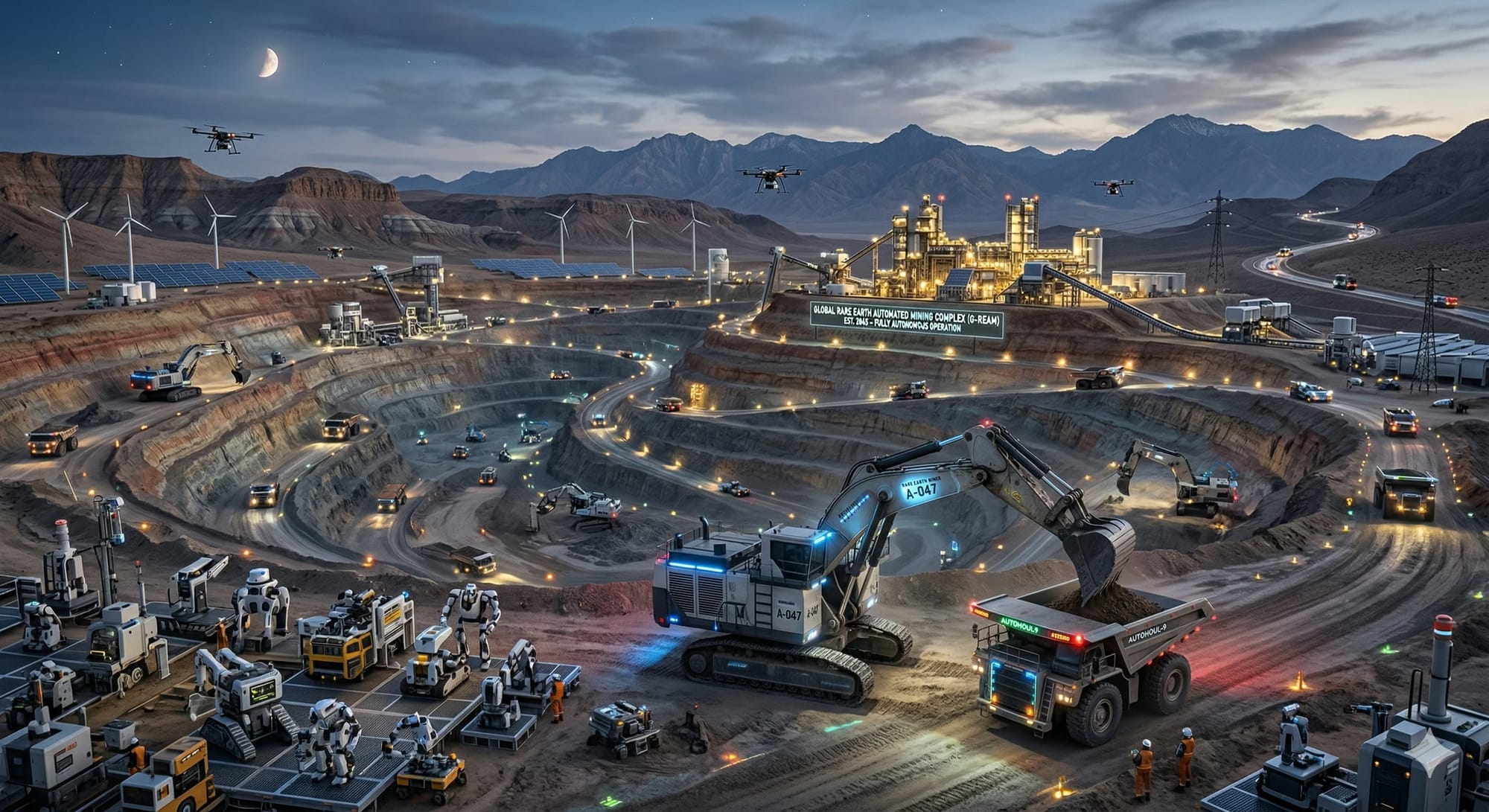
Atoms Mining: More productive mines to power earth’s industries
Atoms Transport: The wheelbase for robots
If Kalanick realizes even a portion of his vision, the real estate industry will be among those most affected.
During an All-In interview in Austin, Kalanick describes a worldview where hardware is the new software, and atoms are the new bits. To extend the analogy: Engineers manipulate bits; manufacturers manipulate atoms. Databases store bits; real estate stores atoms. Networks and the internet move bits; transportation moves atoms.
Create digital twins for everything atom-based. Optimize it. Automate its output. With Maslow’s hierarchy relevant to every living person, Kalanick is starting with optimizing and automating the generation and delivery of food. That’s the part of Atoms that has been public so far.
Curious? Additional examples.
Proptech's Leader has Been Crashing Our Couch the Whole Time // Stock in Down Payments // Banking Real Estate in the Clouds
Automating bits is no longer the frontier; “the complete automation of the physical world—autonomy—remains largely untouched territory.” Starting in mining—a dangerous, unhealthy, and highly regulated job that extracts high value—is a stroke of brilliance.
Kalanick believes that “the next Golden Age will be upon us when the means of growing, mining, manufacturing, and moving physical things becomes fully divorced from human labor.” The future is robots purpose-built for specific tasks, not humanoid generalists trying to replicate everything humans can do (although Generalist came out of stealth, so perhaps even this notion is incorrect).
The ambition to be the “tech stack for industrial progress machines” is Softbank-worthy; Earth-bound ambitions cannot be much more grandiose. The big question is: How do you execute on this kind of vision?
SENSORS UPON SENSORS
In a diagram, Atoms outlines three steps to digitizing the physical world: